 chuck.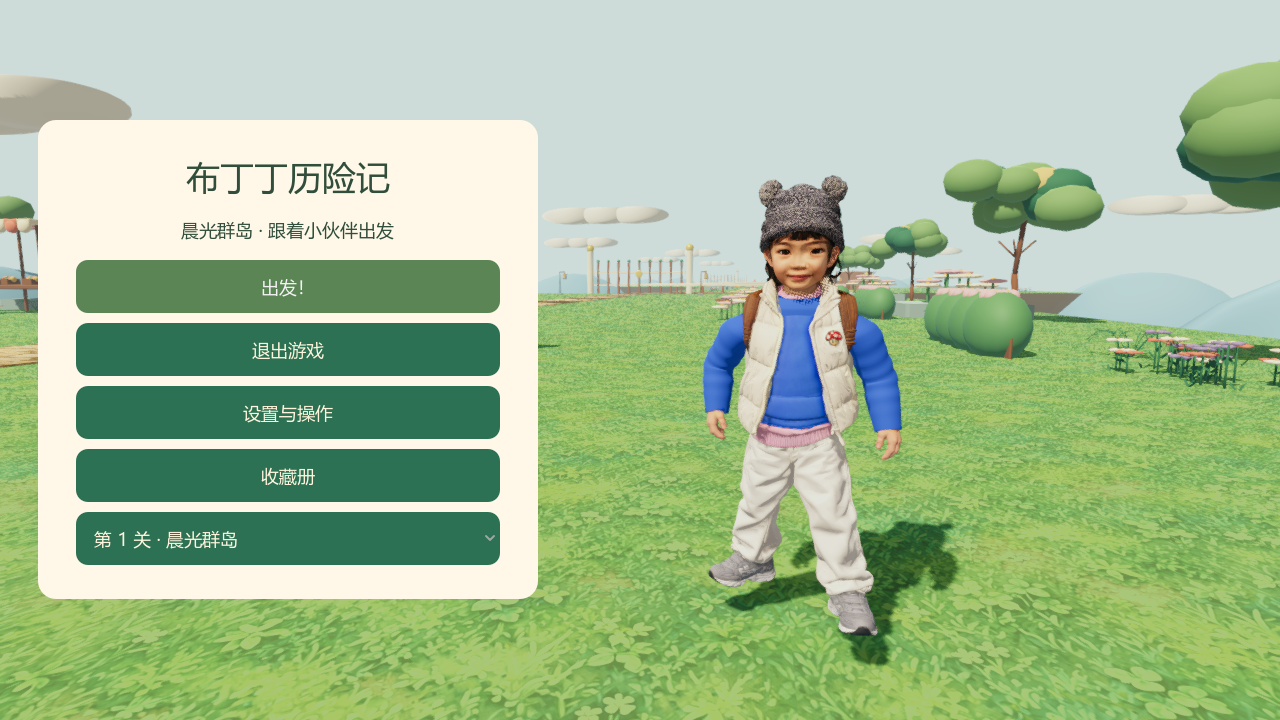
Build story
Making Budding Adventure, a game for my child
Tripo gave me the idea of putting my child into a game. Broken rigs, rejected faces and five seconds of running led from a Blender trailer to a playable world of our own.
Second-hand gear, software made with AI, and the detours along the way.
Tripo gave me the idea of putting my child into a game. Broken rigs, rejected faces and five seconds of running led from a Blender trailer to a playable world of our own.
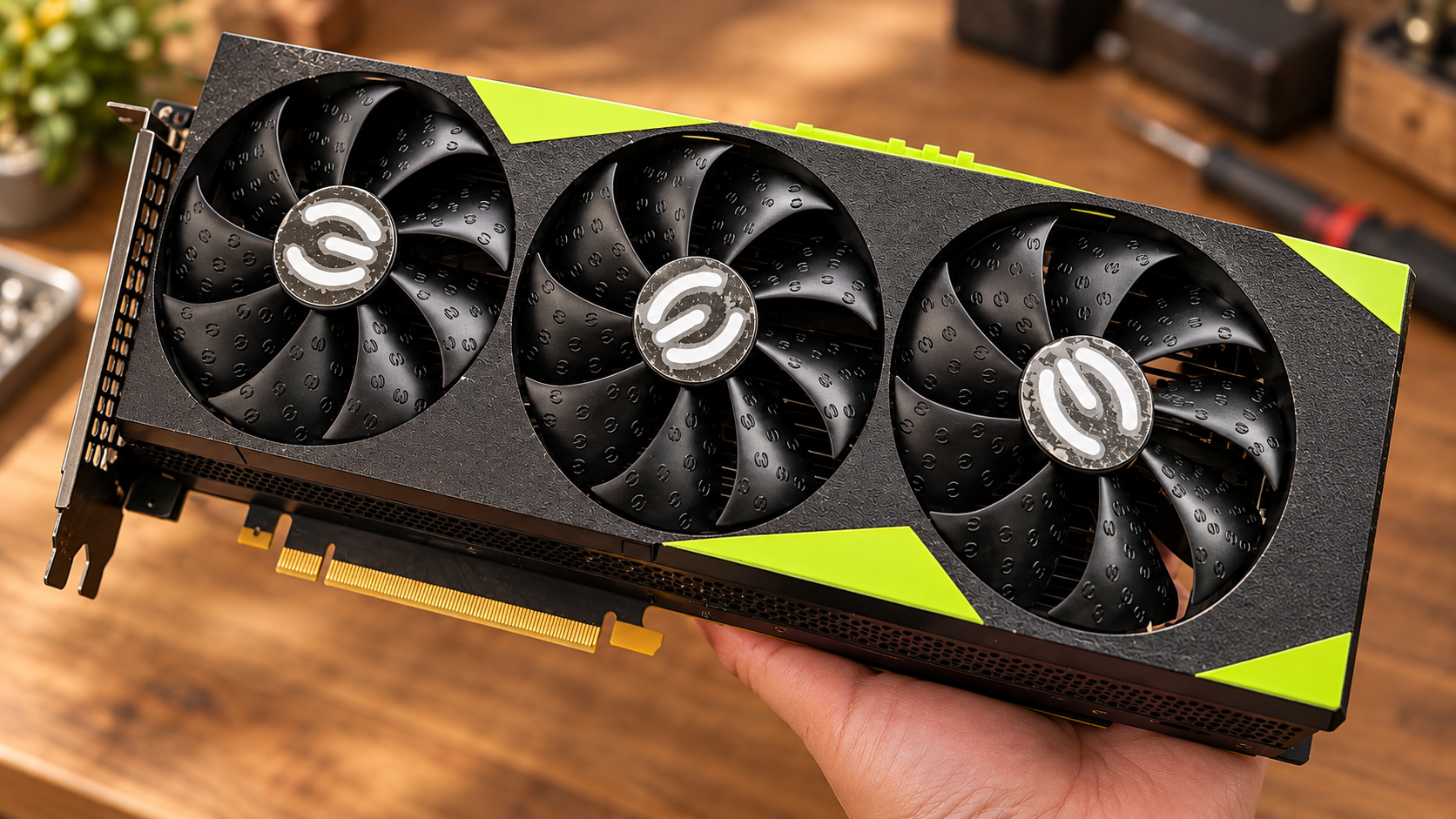
Strata gave me another reason to try the V100 attached to my second-hand laptop. Getting it installed, finding an old background program and testing my everyday work made the old setup worth keeping.
Once the articles were written, I wanted a place for the work between them: small discoveries, unfinished experiments and the next thing to try.
Once Alex had the Matrix look, I began removing the borders, logs and notifications that got in the way.
Text chat could already retrieve information. A voice task went to another conversation, so I had to check where the work was landing.
Automatic detection should save a repeated choice while leaving the translation direction in my hands.
Timing the stages separately showed where most of the wait was going.
The tool checking whether LM Studio was running was also starting it.
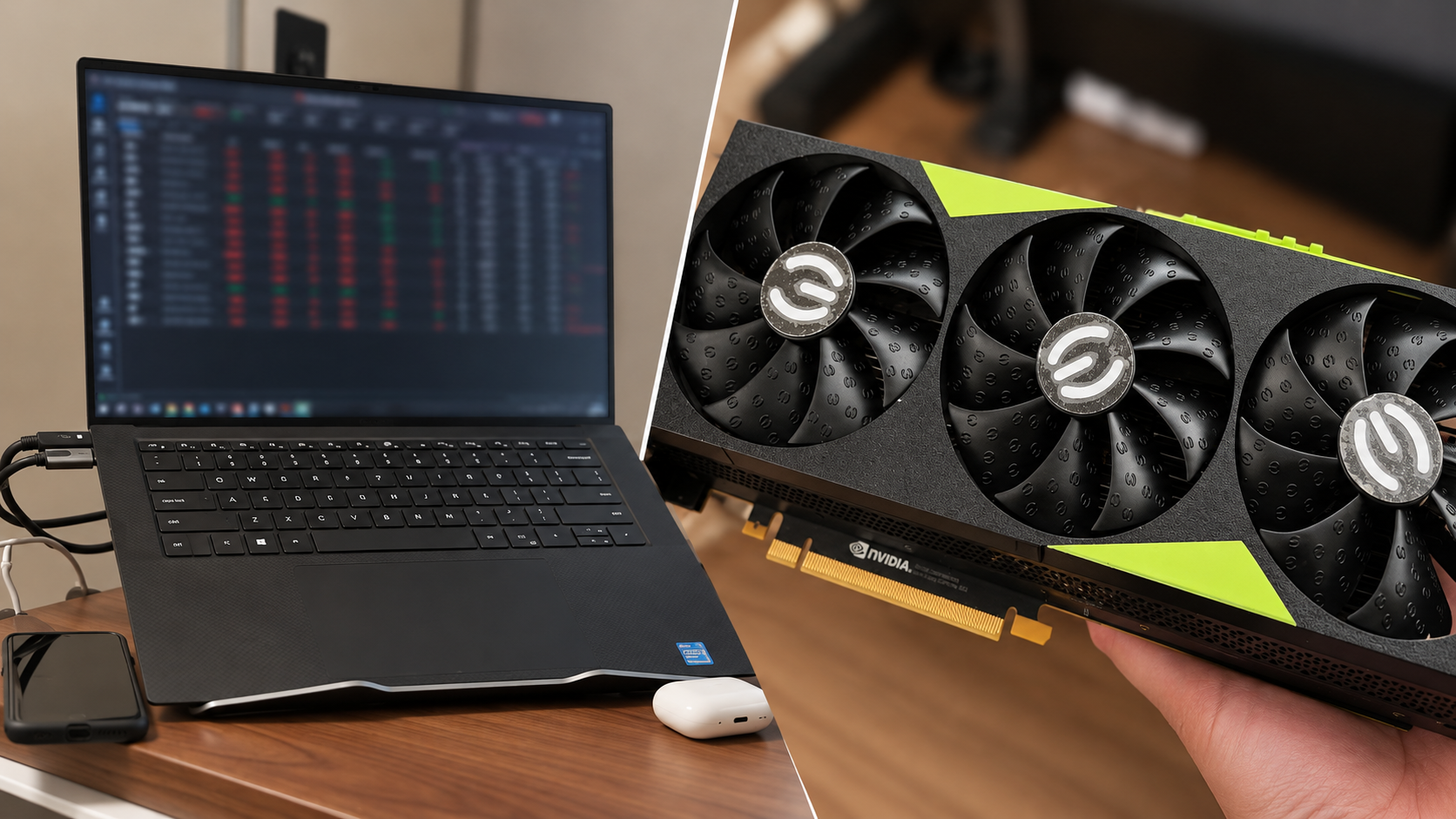
A second-hand laptop and an external V100 let me try local transcription, translation and document work. As the tools multiplied, I needed a monitor, a queue and some say in what ran next.
Once several tools shared the local model, I wanted control over which job came next.
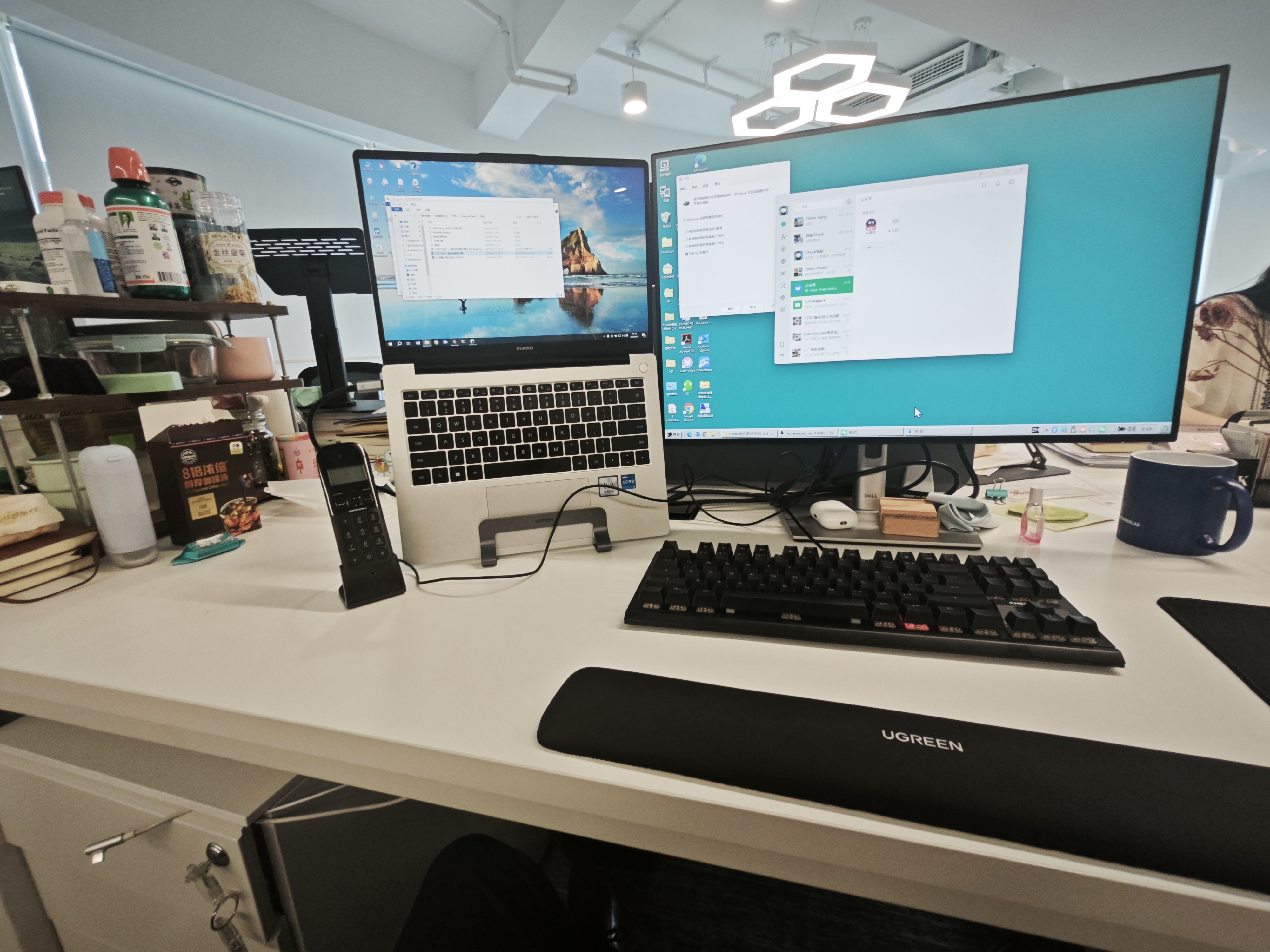
I bought a used P240 to make work calls feel familiar again. Connecting it to Codex at home became a project of buttons, audio, callbacks—and making my own assistant at forty.
The laptop, enclosure and V100 came in stages. Trying the equipment I had helped me decide what to spend on next.
When even I couldn't tell which menu to click, I asked for transcription to be the opening page.
A transcript missing several minutes changed how I read progress bars. The same habit helped later with Alex.
Listening to the recording again showed that the blank stretches contained speech the software had failed to transcribe.
Once it worked on my computer, I looked at the first step for someone else: downloading it.
The settings filled most of the window. The transcript I needed to edit had only a few lines of space.
I wanted recordings to stay on my computer: drag in a file, separate speakers, edit names and export to Word. Then a five-minute gap in a long recording changed what I expected from “complete.”